Talk about match-fixing and someone soon mentions a betting mafia. The reality is more varied, but the core is right: Europol's 2020 situation report finds that betting is the engine behind a large share of fixes, and behind it stand organised groups with carefully built layers. If you understand how such a network works, you will recognise that a harmless-sounding offer from someone you know is only the last link in a long chain.
Why so many fixes come down to betting
In its report on the involvement of organised crime groups in sports corruption, Europol describes betting as the main source of profit: whoever knows in advance what will happen in a match can stake large sums with almost no risk. The fix itself is usually organised separately from the betting. Bets are placed before and during the match, and live betting dominates. Sportradar's annual report for 2025 links 77% of suspicious football matches to in-play betting.
That is why fixers do not only target the final result. The number of goals, a goal in a certain part of the match, a card or a game in tennis will do, in other words anything people can bet on. Europol finds that the groups mostly use markets where large stakes are possible: in football, bets on total goals or Asian handicaps; in tennis, in-play bets on individual games, sets and points.
Betting is not a precondition, though. Match-fixing does not have to involve betting, and the rules also cover fixing for promotion, to avoid relegation or for a better draw. Courts and federations in central Europe have also dealt with cases where referees were paid for a win without any bet involved.
The layers of a network, from financier to player
Europol describes these groups as a business run from the top down. Each layer has its own job:
- Leaders and financiers. They pay for the operation, hold the money and the contacts, and look after their profit.
- Higher-level intermediaries. Often active in several countries, they pick the competitions and the people worth approaching, set the price and pay the bribes.
- Local intermediaries, known as runners. They find players, coaches, referees and club managers, recruit them and stay in contact.
- Support roles. Betting and IT specialists, betting mules who open large numbers of betting accounts, links to the Asian betting market, and financial experts who move and launder the money.
- At the bottom. Those who actually influence the match: players, referees, club managers and officials.
Europol also notes that players' agents sometimes look for suitable players, whom the group then moves from club to club, often across borders. The same network can therefore operate in several competitions at once.
This structure protects the upper layers. Investigations, Europol says, usually reach the players and local recruiters, while the leadership often has time to leave the country and later tends to come back. For players, the uncomfortable conclusion is that they carry most of the risk of punishment, while the people who earn the most stay out of reach.
Why the offer comes from someone you know, not a stranger
Europol reports that the people running these groups rarely deal with athletes directly. They want to avoid attention, they may not speak the same language and they do not have the players' trust. Contact is therefore made by a runner whom both sides trust. This is often a former athlete with a name in that sport, someone who knows the coaches and officials and speaks the language of the dressing room.
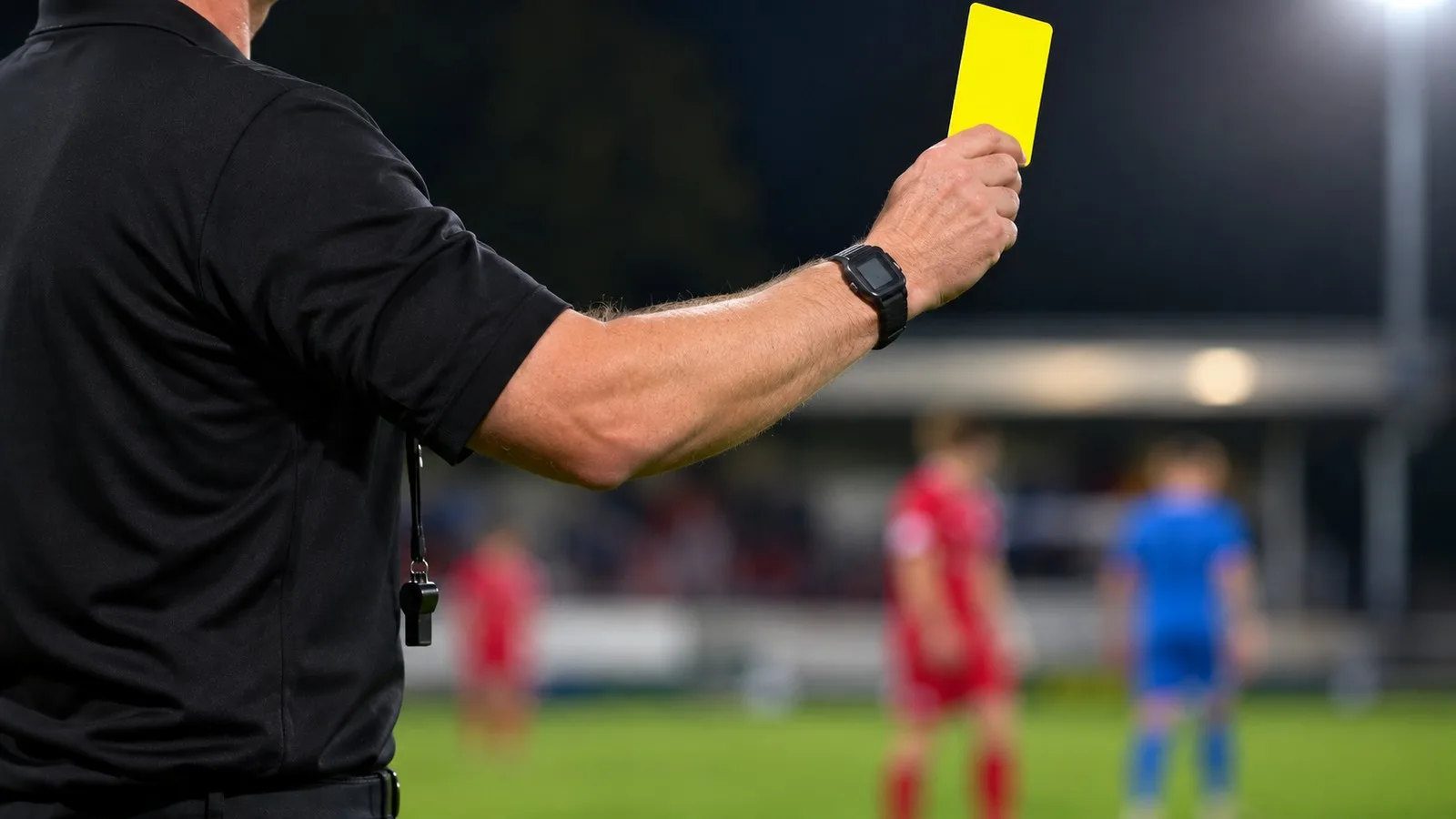
Runners deliberately look for people who are easier to win over: players with money or family problems, or with a gambling addiction. The players' union FIFPRO says that players who are paid late are also more likely to be approached. The offer then does not arrive as a threat but as a friendly favour or a small thing, such as "just get a yellow in the first half".
A case from central Europe in the early 2010s shows how this works. A betting network approached Czech footballers, from the top division down to the junior league, through Slovak intermediaries who gave the instructions and placed the bets; according to the media it was run from south-east Asia. Two former players in neighbouring Slovakia, acting as organisers, bribed top-division footballers, and the fixed matches were bet on online with Asian bookmakers. Some players turned the offers down. The others received suspended sentences or fines from the courts, or long bans from their federations.
The Asian betting market and why groups use it
Citing a European betting industry association, Europol states that around 65% of the world betting market is in Asia, in both the legal and the illegal sector, with the illegal part apparently ten times larger. Betting there runs through a pyramid of bookmakers and several layers of agents. Bettors place bets only through an agent and on credit, based on their reputation. The market accepts high stakes, and the layers of agents make the money hard to trace.
European bookmakers, by contrast, often limit stakes, cooperate with the police and can freeze suspicious accounts, Europol notes. They are not out of the picture either: groups also exploit regulated European operators online.
The Asian betting market plays a big role, but not the only one. Europol describes three models: a group based in Europe arranges the fix and partners on the Asian market handle the betting; a European group does everything itself; or a group based in Asia with contacts in Europe runs the whole fraud. Many of these groups are also involved in drugs or money laundering and use fixed matches to launder their proceeds.
Lone operators, sold tips and betting from the inside
The picture is changing. Sportradar's report for 2025 describes a growing number of lone operators who communicate via Telegram, pay in cryptocurrency and find new recruits easily. Because Asian bookmakers have tightened their limits, some fixers now sell inside information to ordinary bettors or control large numbers of betting accounts.
So the approach does not have to come from anyone who looks like a gangster. It can come from a teammate, an agent, a sponsor or an unknown social media account that only wants to know who will not play tomorrow.
What this means for players, referees and officials
- Players. Whoever offers you a favour to fix or influence a match is only a messenger. You do not know the people above them or what they know about you. Say no and report it, even if it is a friend or a former teammate. Our article on warning signs in the dressing room and on social media helps you spot an approach early.
- Referees. You are as interesting to these groups as players are, because a single referee can influence a match more than any one player. The same applies to whoever records the score or sends data from the venue.
- Officials. Europol describes attempts to take over smaller clubs in financial difficulty, or to support them with money of unclear origin. Be alert to an investor or sponsor whose money does not add up, and to players and coaches who arrive and leave as a group.
The same rule applies to everyone: offering a fix, accepting an offer or promising to take part is already a breach. It does not matter whether the result changed, whether the money arrived or how the bet ended.
Where to turn when an offer comes
Report it straight away, before the match, directly to the integrity channel set by your sport's rules. If you don't know where, tell your coach too, but don't stop there. In football, use the online reporting portal run by FIFA, where you can also set up an anonymous postbox; in tennis, the ITIA, confidentially and, if you wish, anonymously; in ice hockey, the online incident report run by the IIHF. In other sports, contact your national federation and the international federation of your sport.
Whether match-fixing is a criminal offence depends on national law, and a sporting sanction and a criminal prosecution are two separate proceedings. An offer of money or a favour to fix a match may be a crime in your country, so you can also go to the police; if you are threatened, call them right away. More channels by sport are listed in How to report suspected match-fixing.